
Gateway to the Highlands

Balloch → Inveraray

From lochside calm to Highland character, this is where the journey begins to slow down

~40 miles

Approximately 64 km

Around 1 hr 15 mins

(Direct)

Half-day minimum

Allow longer if stopping at Loch Lomond, Rest and Be Thankful, Loch Fyne and Inveraray.
Loch views, mountain roads, seafood, history and the first real sense of the west coast.
Luss · Tarbet · Arrochar · Rest and Be Thankful · Loch Fyne · Inveraray

WC300 Weather

Route weather

Forecast for key points along this route segment

Balloch → Inveraray
Mid-route Heavy rain 17°C
Rain
92%
Wind
2 mph SSW

Basic weather is available to everyone. Members get deeper route-aware forecasts for planning when to drive, stop and explore.

Unlock full WC300 weather intelligence

Basic weather is available to everyone. Members get deeper route-aware forecasts, including the next few hours, 7-day outlook, start/mid/end route conditions and practical guidance for when to drive, stop, walk, photograph and explore.

Become a WC300 Member Designed for real journeys on the WC300 Core Route and WC300+ Extensions.
Last updated: 2026-06-27 14:03:13 Powered by Met Office data

Route guide

Balloch → Inveraray

Explore this section of the WC300 Core Route in more detail, one part of the journey at a time.

A tree-clad island glows with autumn colour on Loch Lomond, framed by calm water and Highland hills


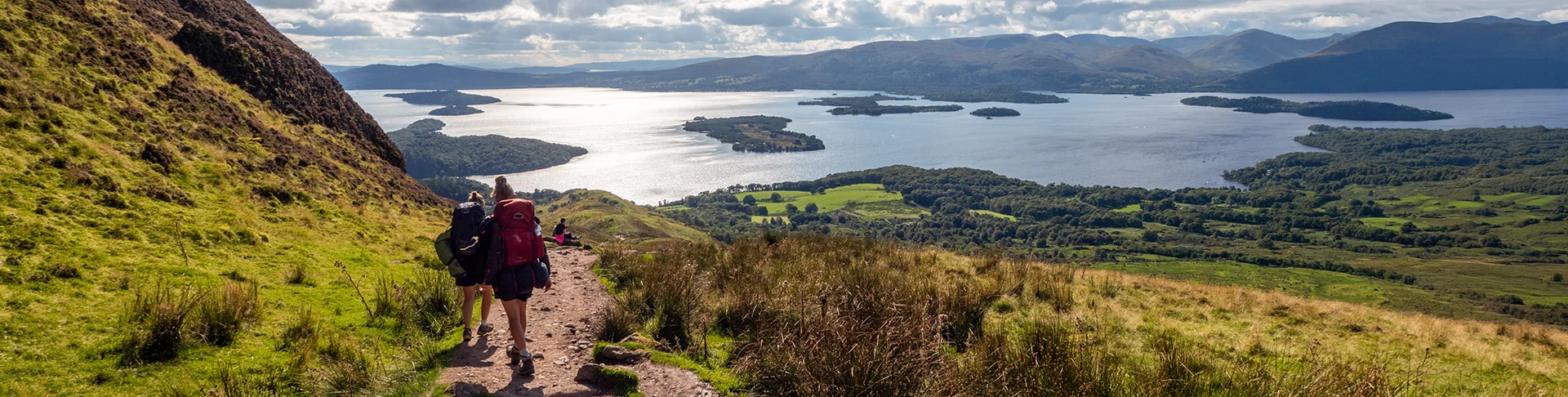
The road north from Balloch follows the western shore of the loch for the best part of twenty miles, and there is no point pretending this stretch needs any help from a writer.
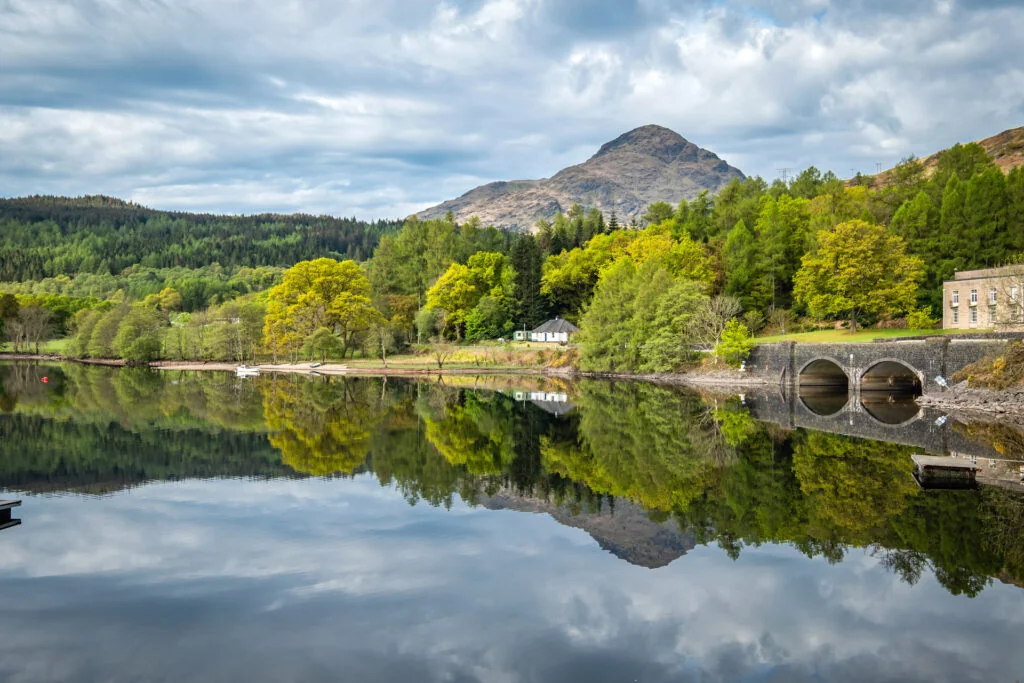
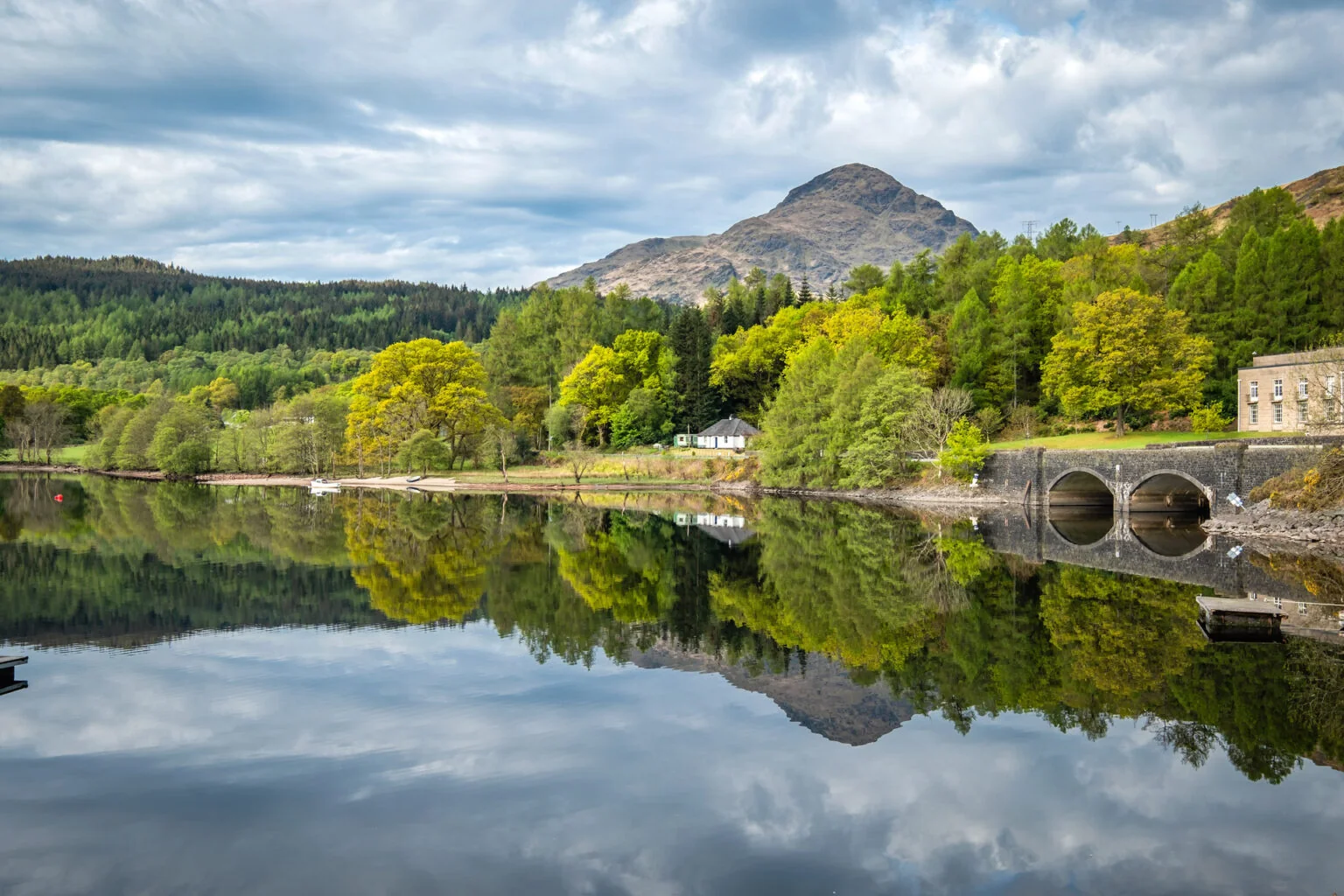
Loch Lomond does what it does regardless of the weather, the season or the time of day. On a clear morning the water is still and the mountains are doubled in it — the reflection so precise it takes a moment to separate summit from image. On a grey day the loch turns the colour of slate, the hills disappear into low cloud and the whole scene becomes quieter, darker and more private.
A heron stands in the shallows near Luss without moving. A cyclist passes going north, head down. Two hillwalkers in full kit cross the road without looking up. The loch continues regardless.
This is not a prelude to the journey. It is the journey, already underway.

Stone turrets and mature trees frame Tarbet at the head of Loch Lomond, where the road meets the water beneath the Arrochar Alps


Tarbet and Loch Long
At Tarbet the road forks. The loch narrows behind you. Take the left fork onto the A83 and the landscape changes register immediately — the mountains tighten around the road, the sky narrows and the character of the journey shifts.
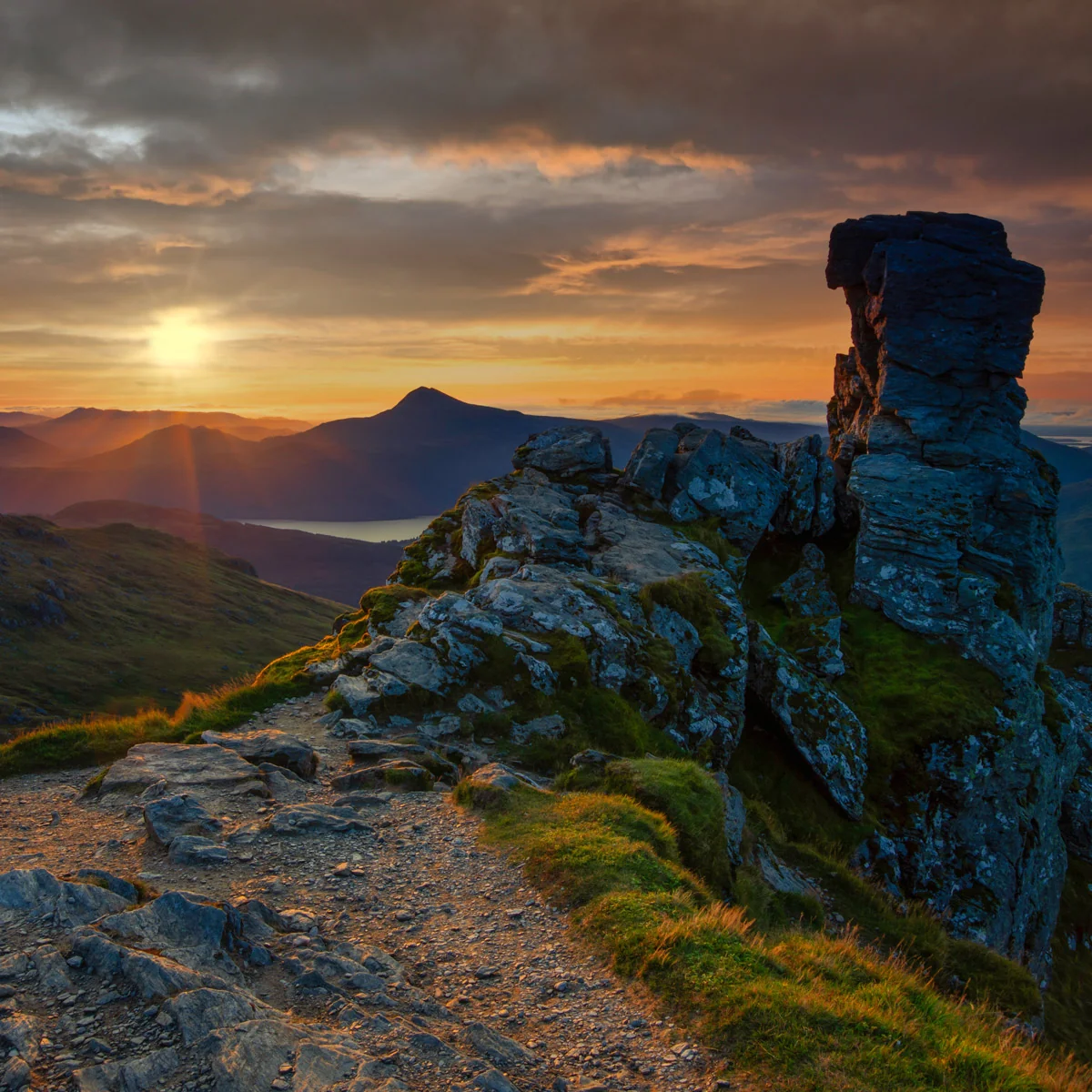
Arrochar sits at the head of Loch Long — a deep sea loch running south towards the Firth of Clyde, its water darker and more serious than Loch Lomond’s. The Cobbler dominates the skyline above the village — a mountain with a profile so distinctive that once you have seen it you will recognise it instantly for the rest of your life. The rocky tor at its summit looks hand-placed. On a morning with cloud moving fast across the ridge it looks almost fortified.
Just past Arrochar, the road rounds the head of Loch Long and heads northwest into the glen. A couple of miles along, divers pull off the road at an unmarked layby — Conger Alley, one of Scotland’s most celebrated shore dive sites, its boulder reef home to conger eels, lobsters and a hidden marine world that the surface of the loch gives no indication of.

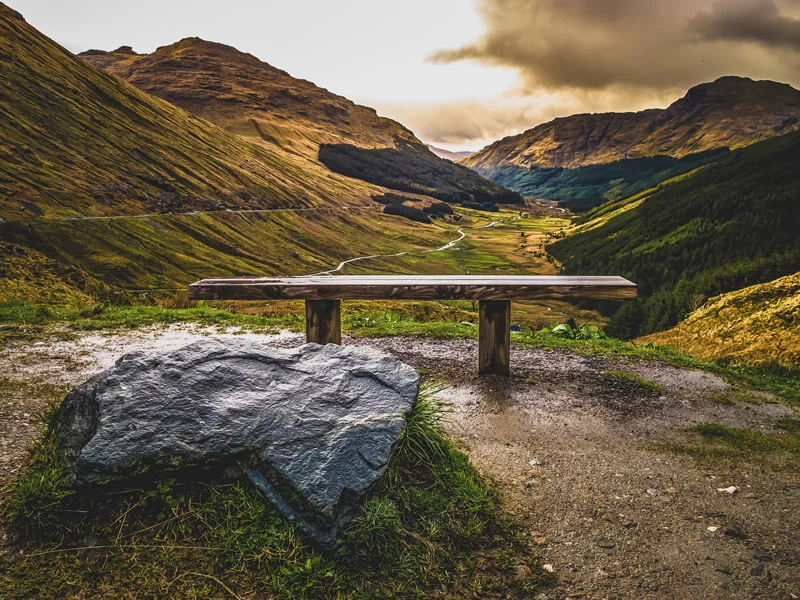
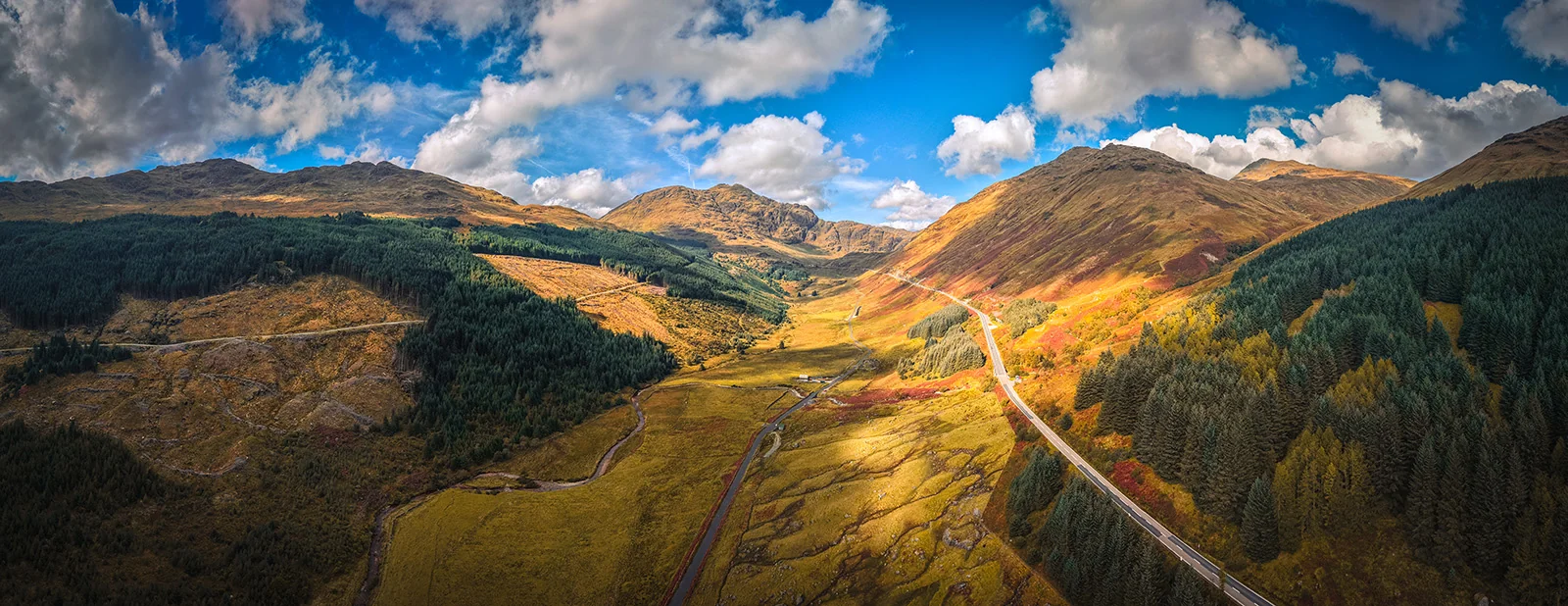
A climb out of Loch Lomond country into one of the WC300 Core Route’s most memorable Highland passes.

Rest and Be Thankful after the rain

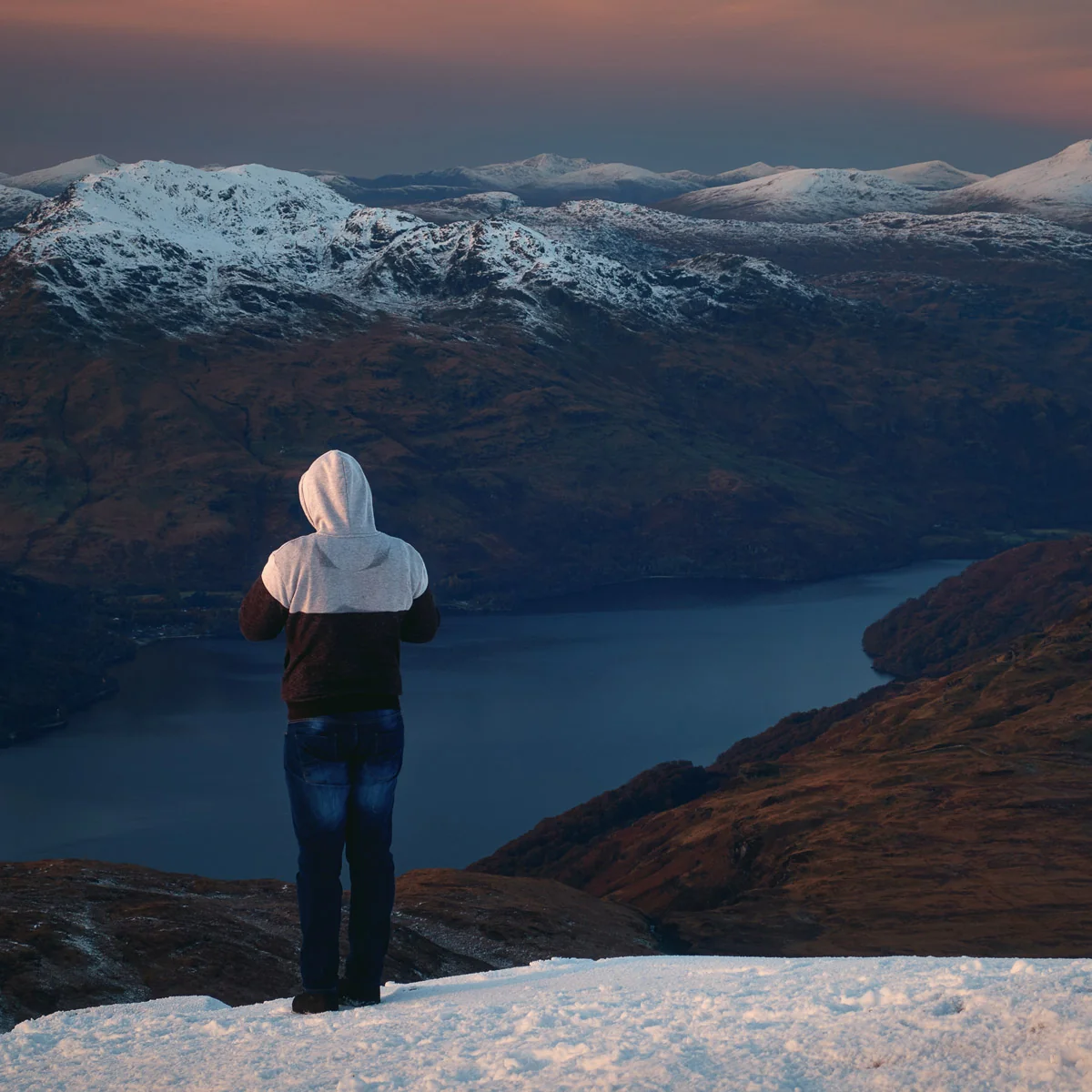
On the WC300, the journey changes character somewhere on the western shore of Loch Lomond — differently for everyone, and usually when you are least expecting it.


From Arrochar the road climbs through Glen Croe — a long, serious ascent through a valley that narrows as it rises, the hillsides steep on both sides, the burn below running fast over dark rock.
In the 1740s, following the Jacobite uprisings, soldiers of the 24th Regiment were sent here to build a military road from Dumbarton to Inveraray. It was hard, methodical work in punishing conditions. When the road was finished they erected a stone at the summit of the pass to mark what they had done. The original inscription is thought to have read: “Rest, and Be Thankful. This road was made in 1748 by the 24th Regiment. Lord Ancram, Colonel.”
The original stone is gone. A replacement stands in its place. The name has never changed.
Standing at the top of the pass, looking back down Glen Croe, the sentiment remains entirely reasonable. This is one of the finest viewpoints on the entire WC300 Core Route — take the time to stop, get out of the car and stand in it properly.

The descent into Glen Kinglas feels like a door opening.
The valley widens. The sky expands. The light changes quality — softer, more golden, less dramatic than the country behind you. This is Argyll now, and it has its own character entirely.
The road runs down to the head of Loch Fyne and turns south along the shore. The loch is long and still — the longest sea loch in Scotland, stretching around forty miles inland from the Sound of Bute. The opposite hills are dark with forestry, the occasional farmhouse white against the slope. A small boat moves slowly in the middle distance, leaving a thin wake that closes behind it almost immediately.
Loch Fyne oysters have become one of Scotland’s best-known food names — supplied to Michelin-starred restaurants, served at Champions League Finals and stocked by Selfridges, all from a farm that began as a modest operation on this shoreline in 1978. The original oyster bar still sits beside the A83 at the head of the loch, as close to the water as it is possible to get. Eating here, with the loch directly in front of you and the hills closing in on both sides, is one of those rare occasions when the provenance of what is on the plate is entirely, visibly obvious.
If there is an argument for stopping on this segment, Loch Fyne makes it.

Inveraray announces itself before you arrive — white buildings visible across the loch from the south, sitting at the water’s edge with a composure that feels almost theatrical until you realise it is simply the result of having been planned properly.The town was built in the eighteenth century by the third Duke of Argyll, who demolished the existing settlement and constructed an entirely new one to complement his rebuilt castle. The result is one of the most architecturally coherent small towns in Scotland — Georgian facades on the main street, a church designed to serve both Gaelic and English-speaking congregations, a jail that operated until 1889 and now tells its stories with considerable frankness.
The castle sits just beyond the town in grounds that have been managed for three hundred years. The quayside is where most people eventually end up — the loch in front, the hills behind, a coffee from somewhere nearby and no particular agenda.
By the time you sit down here and look back at the road just driven, something has shifted. The journey has found its rhythm. The west coast has introduced itself properly.
Everything that follows builds on this.

Things to do

Sea Life Loch Lomond

Balloch
There is so much to see at SEA LIFE Loch Lomond! Dive in and you’ll discover: Meet April, our rescued Olive Ridley Turtle – and find out more about her journey 5,000 miles to make Loch Lomond her forever home Over 1500 creatures – Take a fascinating journey from the shores of Loch Lomond to the depths of the world’s oceans in 7 themed zones, including our interactive rockpool experience. Tropical Ocean Tunnel – Journey through the Tropical Ocean Tunnel, where you can come face-to-fin with Blacktip sharks, rays and other critters of the seas Otterly adorable – See & learn about our Otter, Cub – watch out, she is cheeky! Asian Short Clawed Otters are the smallest of all species of Otter

Hot Tottie Saunas

Luss
A lochside sauna experience on the shores of Loch Lomond, with space to slow down, warm up, and (if you fancy it) cool off with a dip in the loch afterwards. Expect big views, fresh air, and a proper feel-good reset.

Eat and drink

The George Hotel

Inveraray
Rooms with baths and log fires, an AA rosetted restaurant, a cocktail bar with live music, a garden bar on Loch Fyne and a historic pub with over 500 whiskies…

Loch Fyne Hotel & Spa

Inveraray
A well-established hotel overlooking Loch Fyne, offering comfortable rooms, dining, and spa facilities just outside Inveraray.

Shopping

Loch Lomond Shores

Balloch
A relaxed lochside hub with shops, cafés, walks and boat access.

Activities

Luss Distillery

Luss
A striking new spirits destination on the shores of Loch Lomond offering immersive gin and whisky experiences, tastings, tours, a café and curated gift shop in the heart of this scenic village.

Inveraray Jail

Inveraray
A well-preserved 19th-century prison and courthouse offering an engaging insight into crime, punishment and justice in historic Scotland.

Loch Lomond Boat Tours

Balloch
Sail across one of Scotland’s most famous lochs on a relaxed cruise that brings the scale, stories and scenery of Loch Lomond to life.

Scenic Stops

Ardkinglas Woodland Garden

Cairndow
Located on the shores of Loch Fyne near Cairndow, Ardkinglas Woodland Garden offers peaceful walking trails through towering trees, seasonal colour and themed paths suitable for all ages. It’s a calm, nature-led stop that contrasts beautifully with the mountain drama of the surrounding route.

Luss Village & Lochside Walks

Luss
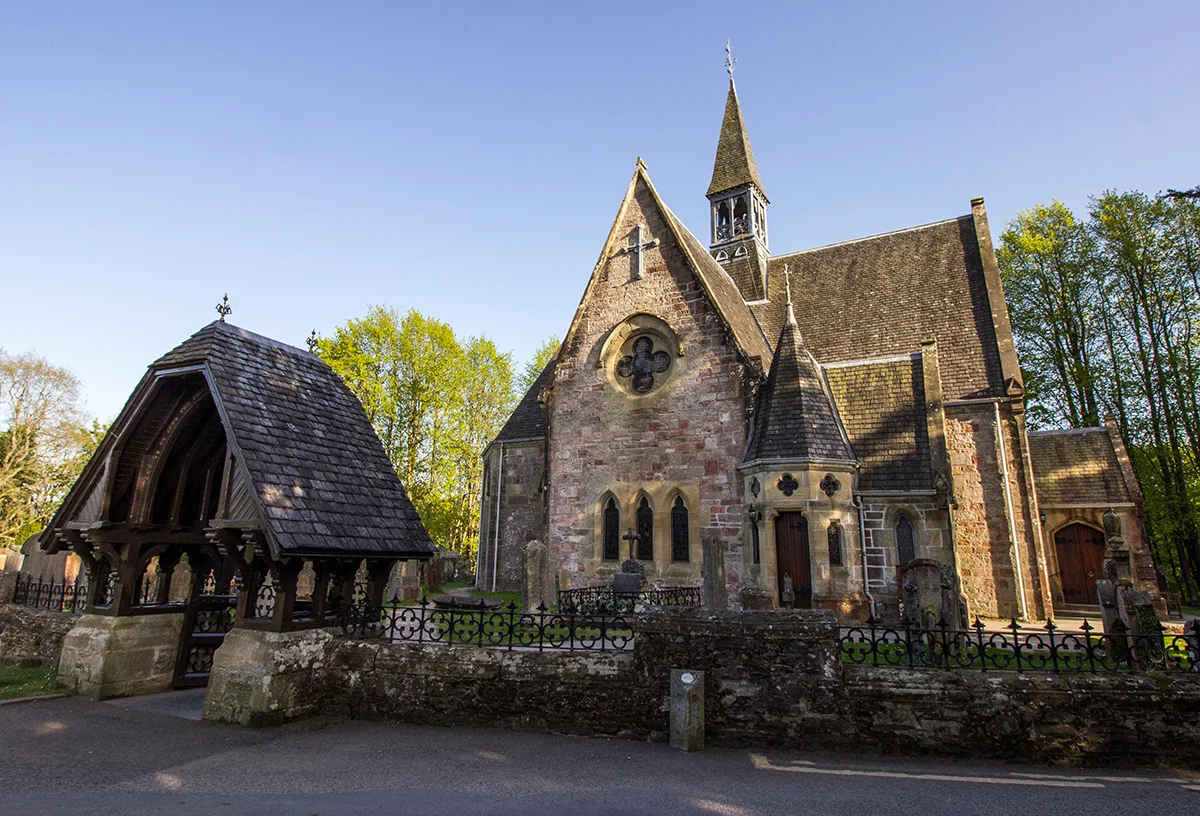
Set on the western shore of Loch Lomond, Luss is a beautifully preserved conservation village with stone cottages, a historic church and easy lochside walks. It’s an ideal early stop on the route, offering a gentle introduction to the landscapes and heritage that define the WC300.

Rest and Be Thankful Viewpoint

Cairndow
The Rest and Be Thankful takes its name from an inscription carved here in the 18th century by soldiers who built the military road through the pass — a simple instruction to pause, recover and give thanks after the climb. From the viewpoint, the road drops away into Glen Croe, revealing a powerful Highland landscape shaped by weather, history and hard travel. It remains a natural stopping point today, often made even more inviting by a roadside snack van on busier days, serving burgers, hot drinks and other welcome comforts.

Places to Stay

Hotels

The George Hotel

Inveraray
Rooms with baths and log fires, an AA rosetted restaurant, a cocktail bar with live music, a garden bar on Loch Fyne and a historic pub with over 500 whiskies…

Loch Fyne Hotel & Spa

Inveraray
A well-established hotel overlooking Loch Fyne, offering comfortable rooms, dining, and spa facilities just outside Inveraray.

Historic places

Inveraray Castle

Inveraray
Inveraray Castle has been the ancestral home of the Dukes of Argyll, chiefs of Clan Campbell, since the mid-18th century and was designed to project power and stability in the Highlands after the Jacobite era. Its distinctive Gothic-baronial architecture and pale stone towers sit prominently on the shores of Loch Fyne, creating one of Scotland’s most recognisable castle settings. Today it offers a natural pause at the end of the segment, with managed parking, formal gardens to explore and a café on site, making it an easy and rewarding stop before continuing the journey.

Old Castle Lachlan

Cairndow
Old Castle Lachlan is a striking 15th-century ruin on the shores of Loch Fyne, once the stronghold of Clan MacLachlan. Reached by a short coastal walk, it offers an atmospheric glimpse into medieval Highland life, with expansive loch views and a strong sense of isolation.

Balloch → Inveraray