
Back to the Water

Crianlarich → Balloch

A gentle descent from open Highlands to familiar lochside calm

~34 miles

Approximately 55 km

~1hr

(Direct)

Half day

A gentle return leg with plenty of chances for a reflective final stop
Lochside views and easy final stops before Balloch
Falls of Falloch · Tarbet · Luss · Balloch
Good — 24hr fuel at Luss, plus stations at Balloch
Variable — improves closer to Balloch, patchier through Glen Falloch
Tarbet · Luss · Balloch

Back to the Water

Overview: Crianlarich – Balloch

Back to the Water

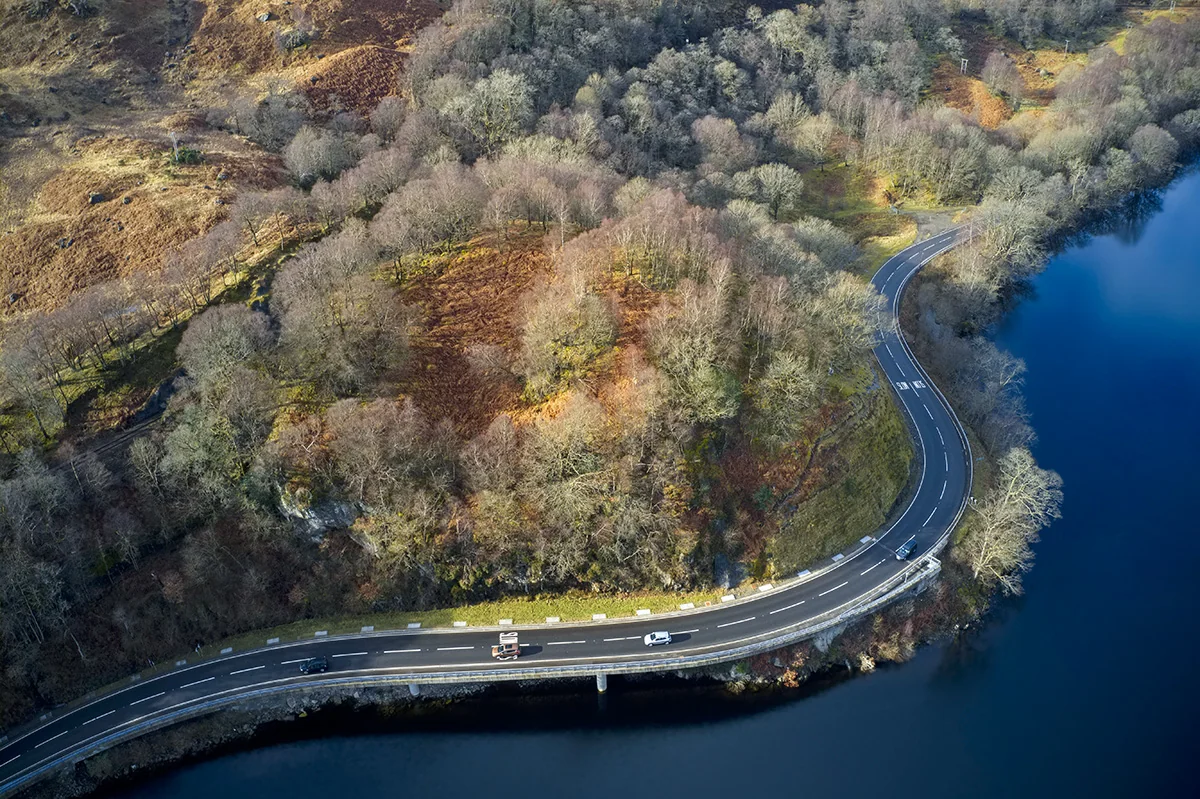
Leaving Crianlarich, the road turns south and the landscape softens — wide Highland spaces giving way to forested slopes and long valleys. It’s a stretch that invites reflection, letting the journey settle rather than build.

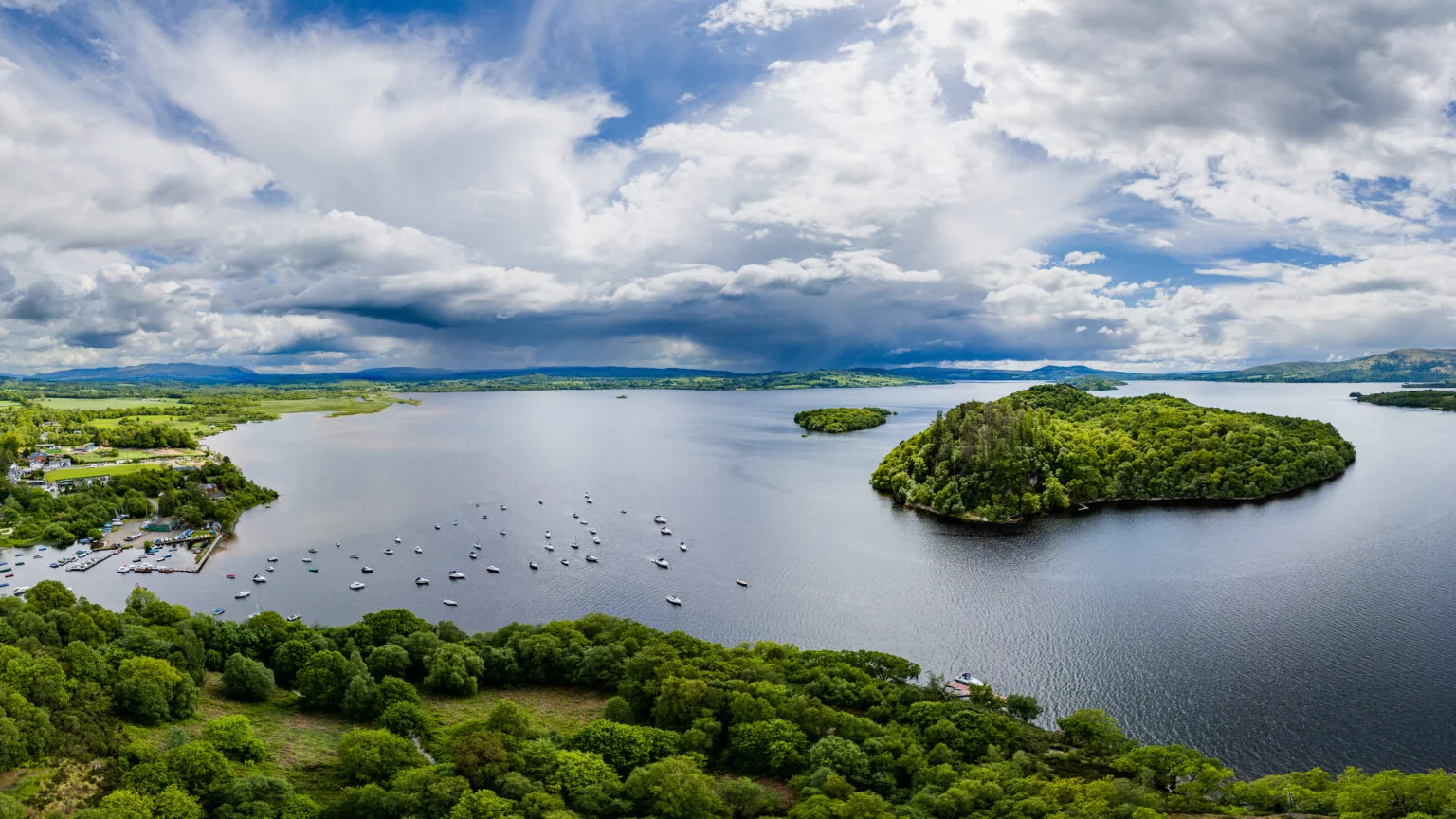
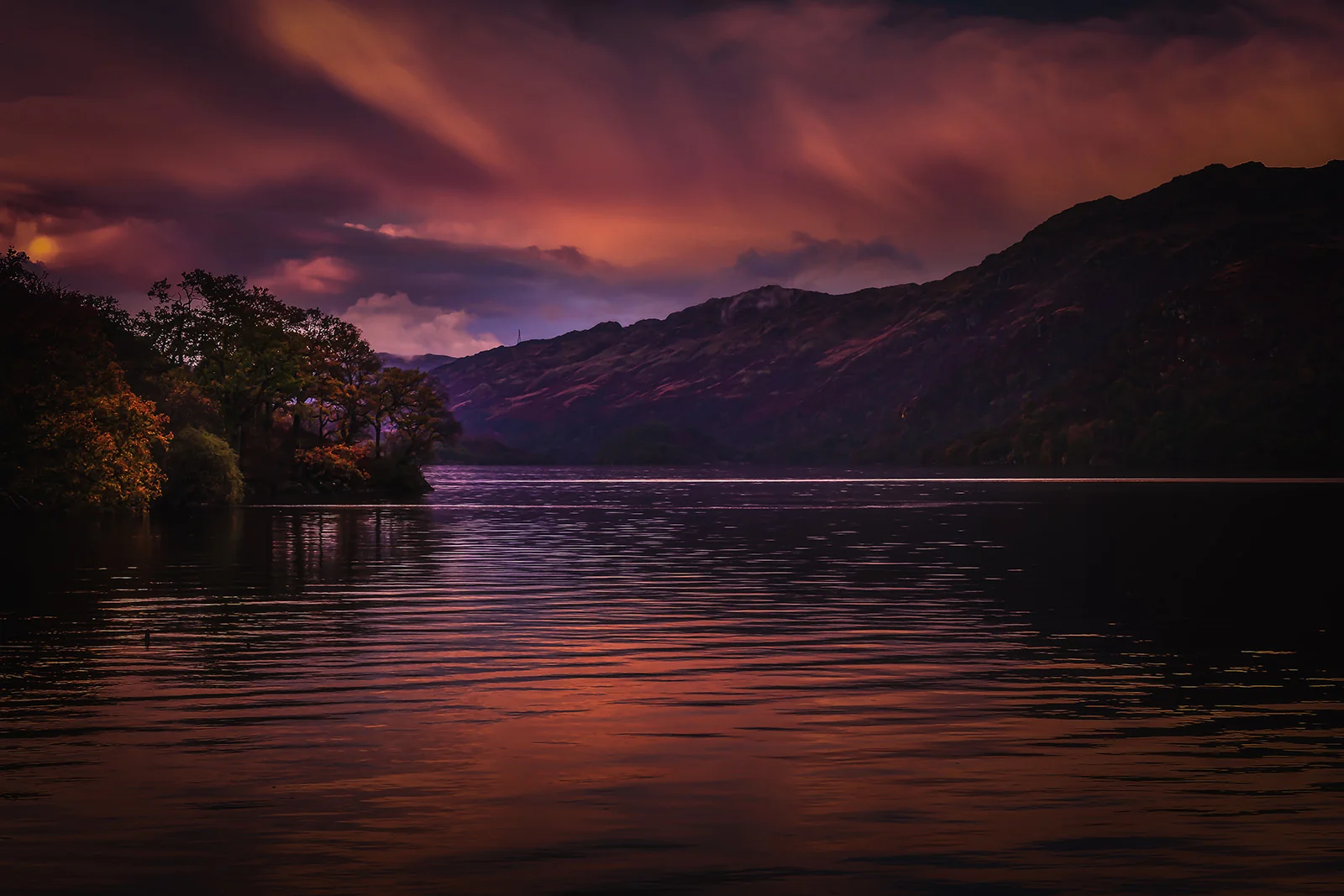
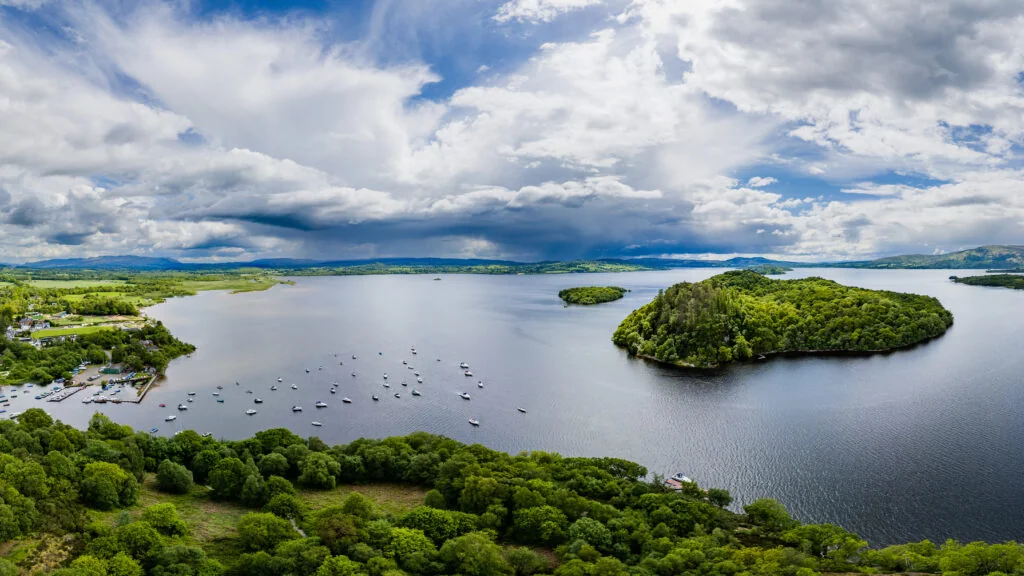
Loch Lomond returns quietly into view, its broad waters calm and grounding after the drama of the west coast. Arriving back in Balloch, the loop closes without ceremony — an earned, unforced finish from remote peninsulas and mountain roads to familiar, lochside ease.

Weather

WC300 Weather

Basic route weather

Forecast for key points along this route segment. This is the basic forecast; members unlock deeper route-aware weather intelligence.

Crianlarich → Balloch
Mid-route Partly cloudy 16°C
Rain
0%
Wind
1 mph NW

Unlock full WC300 weather intelligence

Basic weather is available to everyone. Members get deeper route-aware forecasts, including the next few hours, 7-day outlook, start/mid/end route conditions and practical guidance for when to drive, stop, walk, photograph and explore.

Explore WC300 Membership Designed for real journeys on the WC300 Core Route and WC300+ Extensions.

Last updated: 2026-08-22 08:15:25 Powered by Met Office data

Things to see and do

Route Highlights

Wildlife & Nature

Wildlife Intelligence

  • Dipper – along the River Falloch near the falls; bobs on rocks in the fast water; present year-round
  • Red deer – Glen Falloch woodland and open hillside; most visible early morning and around dusk
  • Osprey – fish over Loch Lomond between Inveruglas and Balloch; April–September; look for the distinctive hover-and-dive
  • Red squirrel – broadleaf woodland around Luss and Tarbet; a quiet approach gives the best chance
  • Golden eagle – occasional sightings over the higher ground of Glen Falloch; scan on clear days

Local Knowledge

Local Knowledge

  • The Falls of Falloch car park fills quickly in summer – arrive early or expect to wait
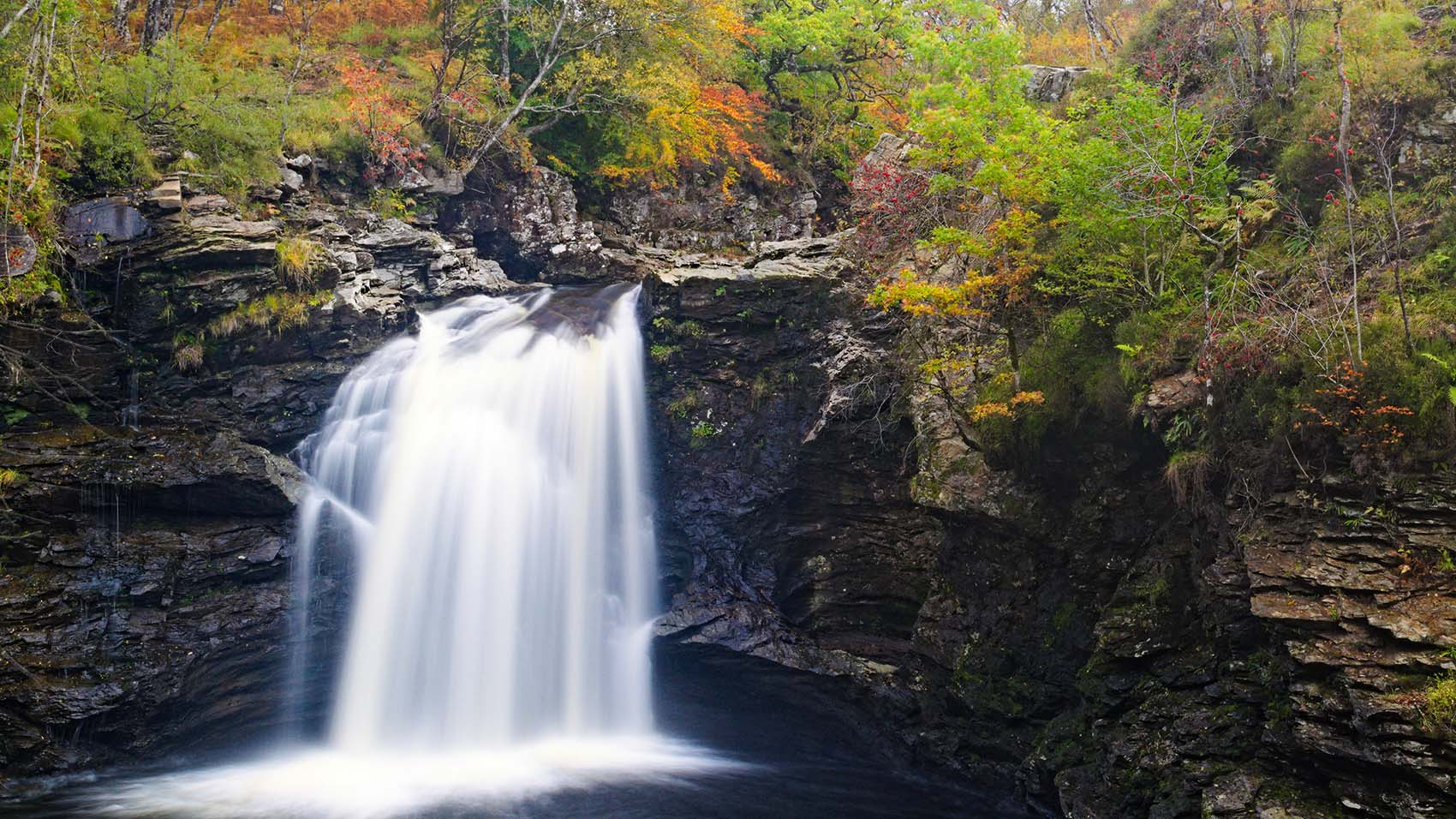
  • Locally the plunge pool below the falls is known as Rob Roy’s Bathtub, reputedly one of his hiding places
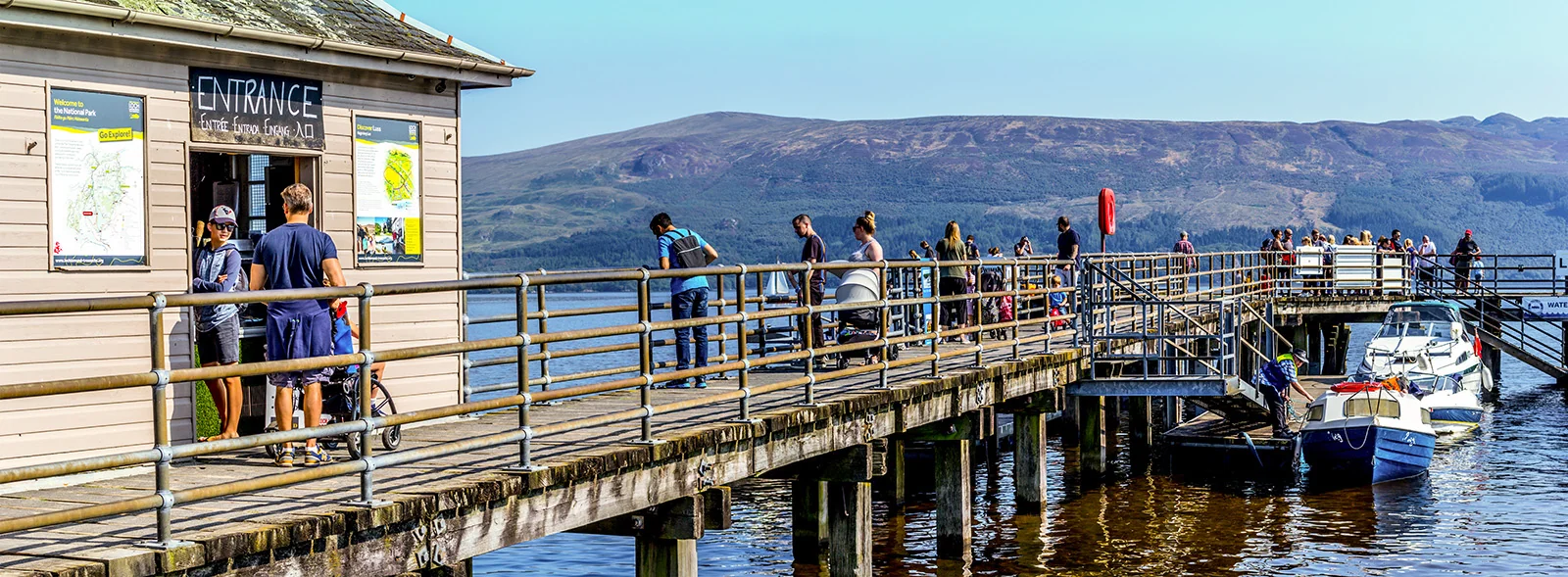
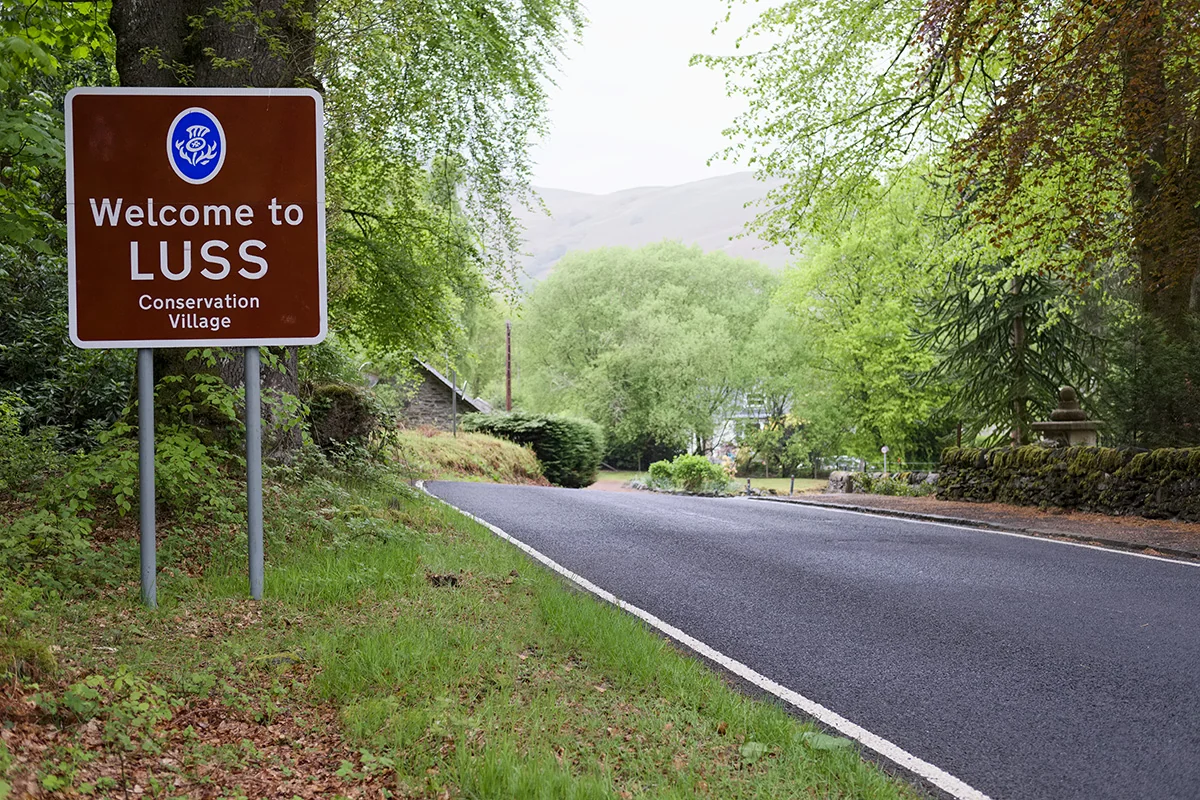
  • Luss is worth slowing down for rather than just passing through – the planned village and pier reward a short stop
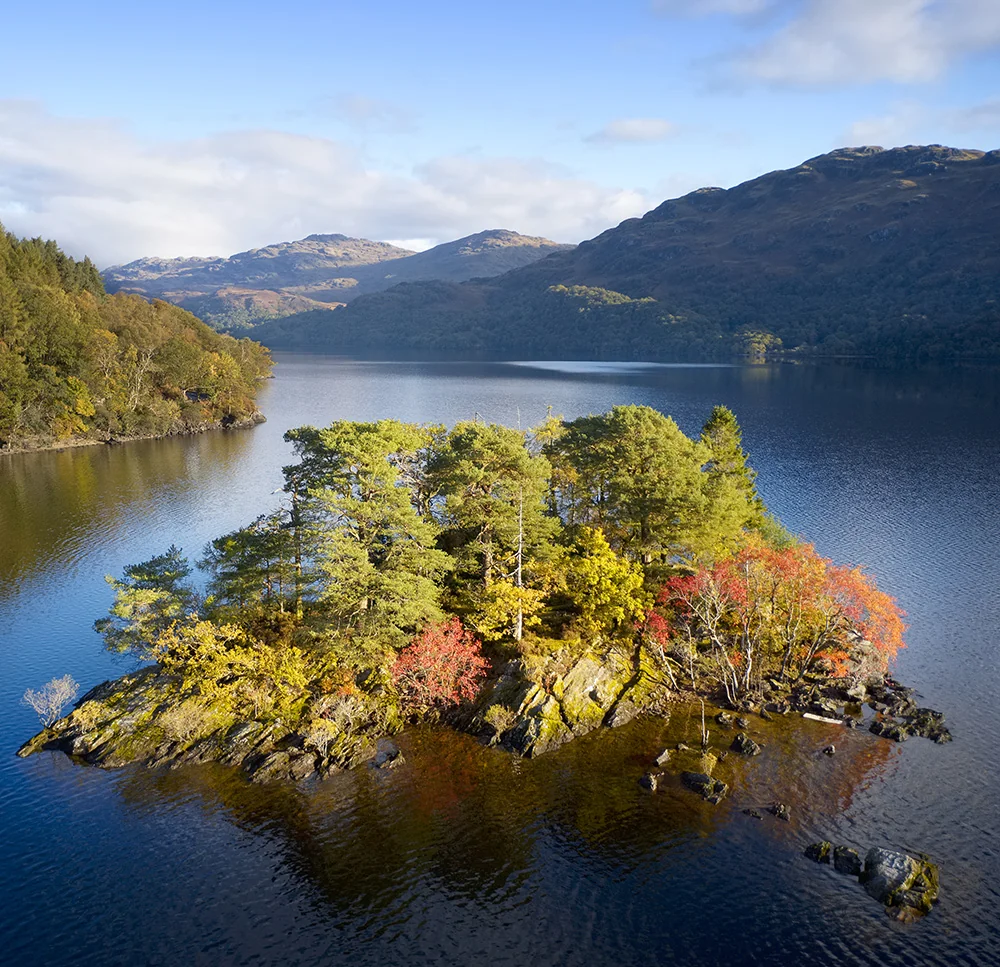
  • Loch Lomond’s islands are best appreciated from the water or a shoreline viewpoint rather than the road
  • Traffic builds through Luss and Tarbet on summer weekends – an early departure from Crianlarich helps
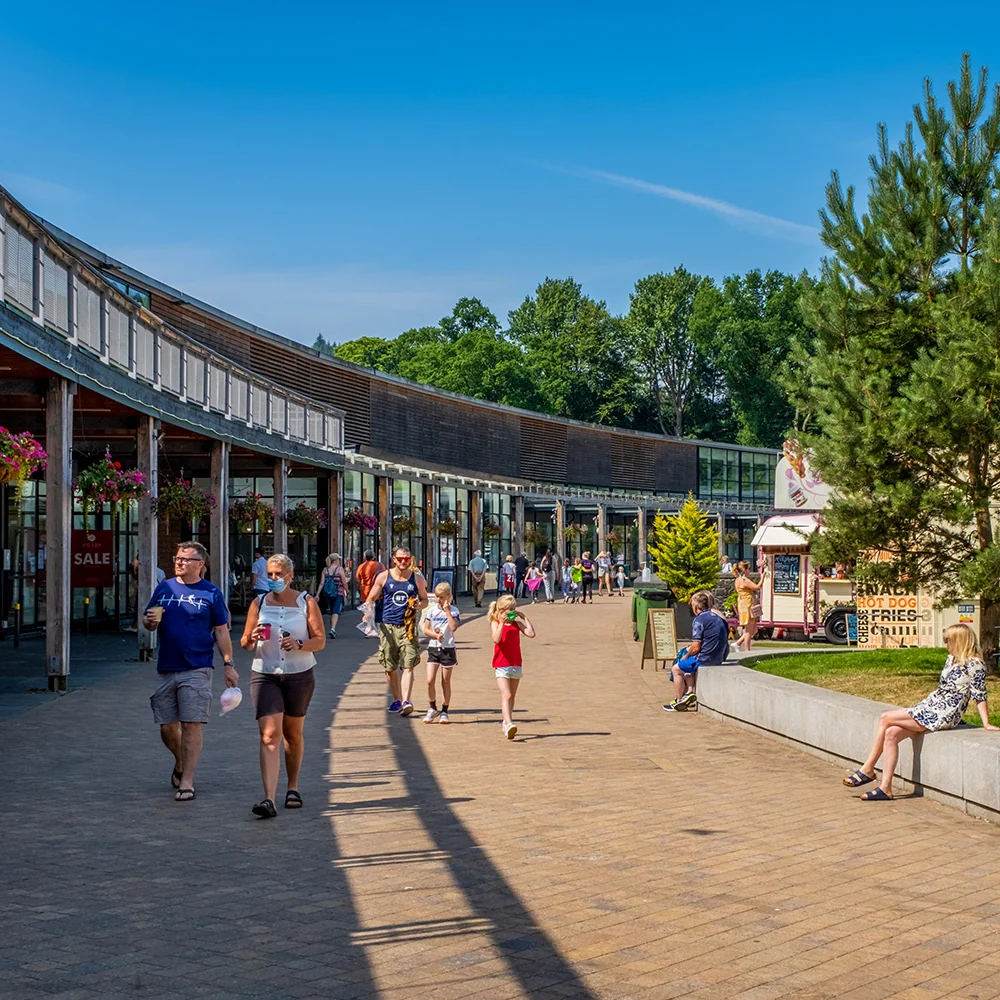
  • Balloch marks the end of the loop, but Loch Lomond Shores is worth a final stop before heading home

Good to Know

  • Fuel – 24hr station at Luss; further options at Balloch
  • Toilets – Tarbet, Luss, Balloch
  • Mobile signal – variable; improves closer to Balloch, patchier through Glen Falloch
  • Falls of Falloch – short walk from a small car park just off the A82; can be busy in summer
  • Loch Lomond islands – best viewed from the Luss or Balloch shoreline; no public access to most
  • Parking – managed pay-and-display at Luss; waterfront parking at Balloch
  • Road type – A82 throughout; well surfaced but busy with tourist traffic on summer weekends

History & Cultural

  • Falls of Falloch – carved by the River Falloch over roughly 10,000–12,000 years as the glen’s ice sheets retreated; the plunge pool below is known locally as Rob Roy’s Bathtub
  • Rob Roy MacGregor – born nearby in 1671 to a family of the Glen Falloch Campbells and MacGregors; the outlaw and cattle drover is said to have used the glen as a hiding ground
  • Luss and Clan Colquhoun – the village has been linked to Clan Colquhoun for centuries; much of what’s seen today was built in the 18th and 19th centuries to house slate quarry workers
  • St Kessog – an Irish missionary said to have brought Christianity to Loch Lomond around 1,500 years ago; Luss’s name derives from the Gaelic for herb, tied to his legend
  • Loch Lomond & The Trossachs National Park – established in 2002 as Scotland’s first national park, protecting the loch and hills the WC300 returns through on this final stretch

Crianlarich → Balloch